

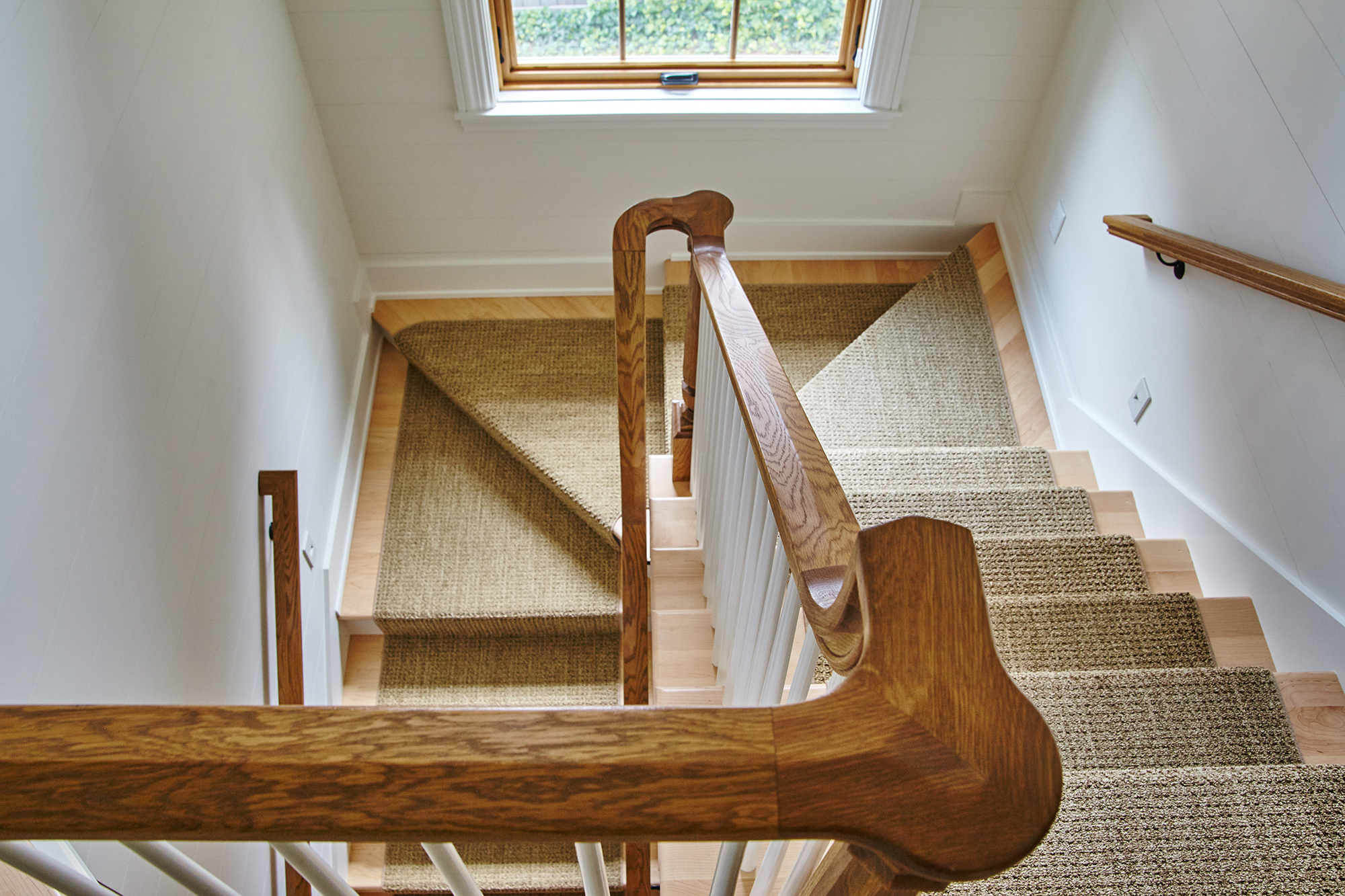
A staircase connects the different parts of a home, but it also plays an important role in how the interior looks and feels. In a multi-level home, the stairs may be visible from the entryway, living room, or upstairs hallway, making the flooring a prominent part of the design. Carpet can introduce softness, help reduce the sharp sound of footsteps, and create a visual connection between levels when it is selected and installed with care.
For homeowners in Colorado Springs, Pueblo, and Castle Rock, choosing carpet for stairs involves more than finding a shade that matches the upstairs bedrooms. Staircases experience concentrated foot traffic, and the carpet must fit securely around each tread and riser. The product's construction, cushion, pattern, and installation method all influence the finished result.
Why Stair Carpet Requires Different Considerations
Carpet in a large bedroom spreads foot traffic over a broad area. On stairs, people repeatedly place their feet on relatively narrow treads, often in the same central locations. The front edge of each step can receive additional friction, which may contribute to visible wear over time.
The carpet also needs to remain securely fitted to an angled surface. Loose edges, shifting material, or poorly finished seams can create problems underfoot. For this reason, a carpet that feels luxurious in a showroom is not automatically the right choice for a staircase.
Start by assessing how the stairs are used. A main staircase between the living area and bedrooms may experience daily traffic from the entire household. A secondary staircase leading to occasional guest rooms may see less use. Pets, children, footwear, and the presence of nearby exterior doors can also affect how much wear and soil the carpet receives.
The shape of the staircase matters, too. Straight runs are generally simpler to plan than staircases with turns, landings, curved sections, or unusual dimensions. These features can affect how carpet is cut, seamed, and positioned so that the finished pattern looks consistent.
Compare Carpet Constructions for Stair Use
Carpet is available in several constructions, each offering a different surface appearance and feel. The most suitable option depends on the product specifications, traffic level, maintenance expectations, and the manufacturer's guidance for stair installation.
Textured cut pile has fibers cut at the surface and arranged to create a more casual appearance. Depending on the product, its texture can help disguise minor footprints and changes in pile direction. It may suit family staircases where comfort and a relaxed style are priorities.
Loop pile uses yarn formed into loops, creating a structured surface that can look tailored and understated. Some loop products may be appropriate for busy staircases, but the specific construction matters. Loops can snag if caught by sharp objects, so households with pets should ask about the product's suitability before choosing it.
Patterned carpet can introduce character and help connect the staircase with the surrounding interior. Geometric designs, subtle lines, and multi-tone textures can create visual interest without requiring a dramatic color. Patterns should be evaluated carefully, however, because repeating designs may need precise alignment across treads, turns, and landings.
Very deep or loose pile is not always the most practical option for stairs. The pile and cushion affect how clearly the stair edge is defined and how stable the carpet feels underfoot. Ask a flooring specialist to compare the available constructions for the intended application rather than choosing based on softness alone.
Think About Stair Safety Before Choosing a Style
Carpet can change the way stairs feel underfoot, but it should not be treated as a guarantee against slips or falls. The staircase itself must be in suitable condition, and the carpet needs to be securely installed. Worn treads, loose boards, damaged nosings, or other structural concerns should be addressed before new flooring is fitted.
Choose a product and installation method intended for stairs. The carpet should fit the tread and riser appropriately, with edges and seams secured according to the selected system. A poorly fitted carpet can shift, bunch, or develop loose areas that create a hazard.
Pattern and color can influence how easily people distinguish individual steps. A high-contrast pattern may look striking, but excessive visual variation can make the surface harder to read in some lighting conditions. A more consistent design may be preferable if the staircase is dim or has an unusual shape.
Lighting should be considered alongside the flooring. Adequate illumination helps make each step visible, particularly at turns and landings. Handrails, stair dimensions, and the overall condition of the staircase also contribute to safe use. Carpet is one part of the picture, not a substitute for proper stair design and maintenance.
Should You Choose Wall-to-Wall Stair Carpet or a Runner?
Wall-to-wall carpet covers the full width of the staircase and creates a continuous surface. It can work well when the goal is to connect the stairs visually with carpeted hallways or upstairs rooms. This approach may also suit a staircase where the underlying material is not intended to be a design feature.
A stair runner leaves part of the stair visible along each side. It can highlight wood treads, painted risers, or decorative trim, creating a more tailored look. Runners are often used in traditional and transitional interiors, but they can also suit contemporary spaces when the pattern and edge treatment are simple.
Runner width should be proportionate to the staircase. A narrow runner may look disconnected, while a very wide runner can conceal too much of the underlying material. The exposed edges should also be in good condition and finished in a way that complements the carpet.
The installation must keep the runner securely in place. Ask how it will be attached and how the edges and landings will be handled. A runner should not shift underfoot, and the installation should follow the carpet manufacturer's recommendations for the chosen product.
Choose Color With the Entire Staircase in Mind
Stair carpet is rarely viewed in isolation. It connects the rooms at the top and bottom of the staircase, and its color can influence how the entire area feels. A neutral shade may provide continuity between different levels, while a deeper or more distinctive color can turn the stairs into a feature.
Warm beige, taupe, and soft brown can complement natural wood trim and traditional interiors. Gray-based neutrals may suit more contemporary spaces, especially when paired with clean-lined furniture and lighter wall colors. Mid-tone colors can provide a useful balance between a bright appearance and the practical demands of daily use.
Very pale carpet may reveal dirt or marks more readily in a busy household. Very dark carpet can show lint and light-colored debris. Subtle patterns or tonal variation may help disguise minor changes in appearance, although they do not eliminate the need for regular cleaning.
Bring samples to the staircase and examine them in the actual lighting. Check the carpet against the handrail, wall color, trim, and flooring at both ends of the stairs. If the staircase has a landing, consider how the carpet will look when viewed from above and below.
Pattern Direction and Staircase Geometry
Patterns can make a staircase feel distinctive, but the design must work with the shape of the steps. Stripes can emphasize the direction of travel, while geometric motifs can introduce a more decorative look. The pattern should remain visually balanced as it moves from the straight run onto any landing or turn.
Repeating patterns may require additional planning to align correctly. If the staircase changes direction, the installer may need to decide how the design should continue across the landing and around the turn. Some patterns naturally accommodate these changes better than others.
Ask to see a larger sample whenever possible. A small swatch may not reveal how a pattern will appear across several consecutive steps. It can also be helpful to discuss where seams may be placed and how the design will be positioned relative to the stair edges.
For a quieter interior, a subtle texture or low-contrast pattern can provide interest without dominating the space. If the surrounding rooms already feature bold rugs, artwork, or patterned upholstery, a simpler stair carpet may help maintain visual balance.
Do Not Overlook the Cushion and Installation Method
The cushion beneath carpet affects comfort and support, but stairs require a suitable combination of carpet and cushion. Excessive softness or an unsuitable thickness can affect how stable the carpet feels and how clearly the stair profile is defined.
Use a cushion approved for the selected carpet and stair application. Follow the manufacturer's recommendations for thickness, density, and installation. A cushion intended for a large bedroom should not automatically be assumed to be suitable for stairs.
Installation quality is equally important. Each tread and riser must be measured, and the carpet must be secured using the appropriate method. The installer should account for the shape of the stairs, the placement of seams, and any turns or landings.
Before installation, inspect the underlying staircase for loose components, protruding fasteners, damaged edges, and uneven areas. Correcting these problems first provides a better foundation for the new carpet and helps avoid covering a defect that may become more serious later.
Maintenance for a High-Traffic Staircase
Stair carpet benefits from regular vacuuming because dust and grit can accumulate along the edges and on the treads. Use equipment and attachments suitable for the carpet construction and the shape of the staircase. Removing debris regularly helps reduce abrasive wear and keeps the surface looking fresher.
Clean spills promptly and follow the manufacturer's recommendations for stain removal. Avoid using unapproved chemicals or saturating the carpet with water. Excess moisture can affect the carpet backing, cushion, and underlying stair material, particularly if the area dries slowly.
Check the stairs periodically for loose edges, shifting carpet, damaged seams, or worn sections. If a section begins to lift or bunch, arrange an assessment rather than continuing to walk over it. Prompt repairs may help prevent a minor problem from becoming a safety concern.
For households with pets, consider how claws, shedding, and tracked-in debris may affect the chosen product. A carpet that meets the household's practical needs will usually be a better long-term choice than a style selected solely for its appearance.
Create a Staircase That Connects the Home
The right stair carpet can bring comfort, help soften everyday footsteps, and make a staircase feel like an intentional part of the home's design. The best result comes from matching the carpet construction to the traffic, coordinating the color and pattern with the surrounding rooms, and ensuring that the installation is secure and appropriate for the staircase.
Hardwood Flooring Specialist helps homeowners in Colorado Springs, Pueblo, and Castle Rock explore carpet options for staircases, hallways, and living spaces. Browse the carpet flooring collection to compare available textures and designs, then contact the team to discuss your staircase and request an estimate. Whether you are updating a single flight of stairs or coordinating flooring throughout a multi-level home, thoughtful product selection and careful installation can make the finished space more cohesive and comfortable.



