

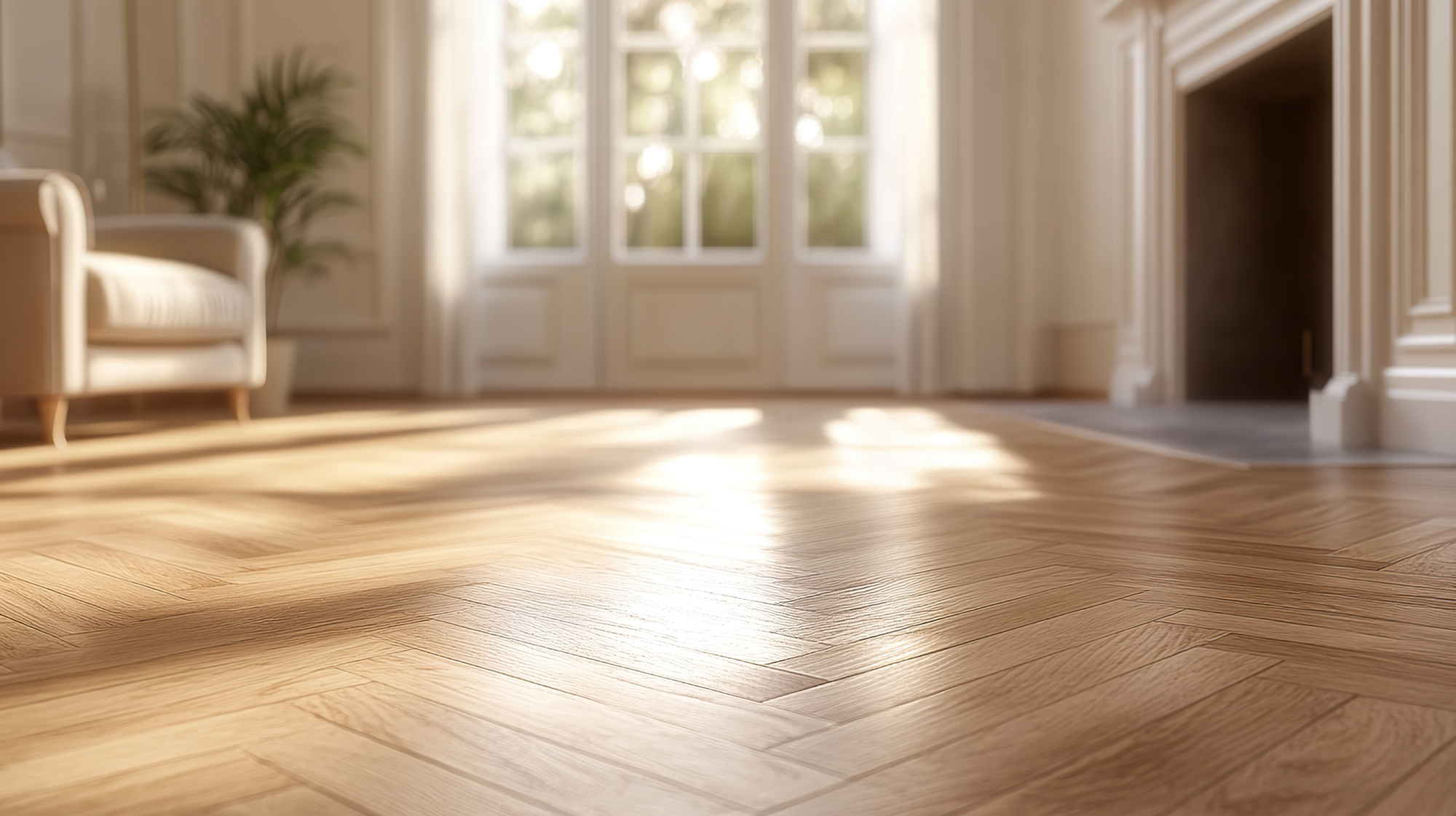
Natural light can transform a room. A sunny living area feels open and inviting, large windows can make a space appear more expansive, and views of the Colorado landscape become part of the home's interior design. Yet strong sunlight also deserves consideration when choosing flooring. Repeated exposure to direct light can affect the appearance of some flooring materials, and the way a floor looks in a showroom may differ from how it appears beside a large window at home.
Laminate flooring offers homeowners a broad range of wood-inspired designs, from pale oak looks to deeper walnut tones. For homes in Colorado Springs, Pueblo, and Castle Rock, where bright conditions and high-elevation sunlight can be part of the environment, selecting laminate should involve more than matching a sample to the cabinetry. Product specifications, window exposure, room layout, and maintenance habits all contribute to the decision.
Understand What Sunlight Can Do to Flooring
Sunlight includes ultraviolet radiation and visible light, both of which can affect the appearance of materials over time. Depending on the flooring's decorative layer, finish, and construction, prolonged exposure may contribute to fading, color changes, or differences between areas that receive direct sunlight and areas covered by rugs or furniture.
Laminate flooring typically features a decorative image layer protected by a wear layer. Modern products can reproduce wood grain, knots, and tonal variation with impressive detail, but their resistance to fading varies. No flooring should be assumed to be completely unaffected by direct sunlight unless the manufacturer provides specific performance information supporting that claim.
Colorado homes can have large windows, bright exposures, and rooms where sunlight reaches the floor for several hours each day. The amount of exposure depends on window direction, glass type, overhangs, landscaping, and the layout of the room. A south-facing room may experience different conditions from one that receives mostly indirect light.
Before choosing a product, identify where direct sunlight falls throughout the day. Pay particular attention to areas beside sliding glass doors, large picture windows, sunrooms, and open living spaces where the same section of flooring may receive repeated exposure.
Ask About the Product's UV and Fade-Resistance Information
Not all laminate products use identical decorative layers or protective finishes. When comparing options, ask the flooring specialist what the manufacturer says about light exposure, fading, and warranty coverage. Some products may have testing or guidance related to color stability, while others may provide more limited information.
Read the warranty carefully. A general residential warranty does not necessarily mean the flooring is guaranteed against all changes caused by sunlight. There may be exclusions related to direct exposure, window coverings, rugs, temperature, or other environmental conditions.
It is also important to distinguish fading from other appearance changes. A floor may look different because of dust, cleaning residue, surface wear, or contrast with furniture that has been moved. If you notice a color difference, consider the pattern of exposure and the manufacturer's recommendations before assuming the decorative layer has faded.
If sunlight resistance is a priority, make that clear when comparing products. Rather than relying on a general statement that laminate is durable, look for information specific to the product you are considering and the conditions of your room.
Choose a Color That Works With Bright Rooms
Color influences how a sunlit room feels. Light oak and pale natural wood designs can create an airy appearance, particularly when paired with white walls and simple furnishings. Medium brown finishes can introduce warmth and definition without making a bright room feel too stark. Darker designs can create a dramatic contrast, but they may make dust and light-colored debris more noticeable.
Very pale floors can also show dark pet hair, dirt, or scuffs more readily, depending on the surface and pattern. A mid-tone design with natural grain variation may offer a useful balance for busy households. The best color is one that suits both the room's lighting and the way it is used.
Undertones matter. A warm wood design can complement cream walls, natural wood furniture, and brass accents, while a cooler neutral may work better with crisp white paint or a more contemporary palette. Strong sunlight can change the perceived warmth of a color, so compare samples at different times of day.
Place samples near the windows and in shaded sections of the room. Look at them in direct sunlight, indirect daylight, and evening lighting. This can reveal how the design relates to the existing finishes and whether the floor will remain visually balanced across the space.
Consider Texture and Finish, Not Just the Printed Pattern
Laminate flooring can have a smooth, textured, or embossed surface. Texture may help create a more natural-looking wood appearance, while a matte or low-sheen finish can provide a quieter visual effect than a glossy surface. The right finish depends on the product, the design, and the homeowner's preferences.
Strong light can emphasize surface reflections. A glossy finish may reflect bright windows or overhead lighting, while a lower-sheen surface may produce a more subdued appearance. This is a visual consideration rather than a guarantee of better resistance to fading or scratching.
Texture can also influence routine cleaning. A heavily textured surface may hold more dust in its grooves than a smoother design, although the result depends on the particular product. Ask about the recommended cleaning method and whether the manufacturer's instructions restrict certain cleaners or tools.
When viewing samples, rotate them toward the window and examine the surface from different angles. The appearance of the printed grain, sheen, and texture can change with the direction of light. A larger sample or installed display may provide a better sense of the finished effect than a small swatch.
Protect the Floor Without Losing the Natural Light
Window treatments can help manage direct sunlight while preserving the bright character of a room. Depending on the window and the homeowner's preferences, options may include blinds, shades, curtains, or window films approved for the glazing. The right choice depends on how much light you want to retain and whether reducing glare is also a priority.
Do not rely on window coverings as a substitute for checking the flooring manufacturer's guidance. Some rooms may remain exposed to direct sunlight even when shades are used part of the day. If the product has temperature or exposure restrictions, those should be considered before installation.
Area rugs can help define seating areas, but they may also create differences in how flooring is exposed to light. If you move a rug after a long period, the uncovered area may look different from the protected area. Follow the manufacturer's recommendations for rugs and rug pads, since some backing materials can discolor or otherwise affect certain flooring finishes.
Furniture placement can be adjusted to help distribute use across the room, but heavy furniture should not be dragged across the floor. Use suitable protective pads and follow the product's instructions when moving large items.
Plan for Temperature Changes Near Windows
Sunlit rooms may experience temperature changes as the day progresses. Flooring products have specific requirements for installation and ongoing environmental conditions, and laminate is no exception. Direct sunlight can warm sections of the floor more than shaded areas, so the manufacturer's instructions should guide product selection and installation planning.
Laminate installation systems vary, and many floating floors require expansion space at the perimeter and around fixed objects. These clearances allow the floor to respond to environmental changes as designed. The installer should follow the manufacturer's specifications for room size, transitions, expansion gaps, and any additional requirements related to temperature or sunlight.
Subfloor preparation also matters. The substrate should meet the product's requirements for flatness, stability, and moisture. An uneven or unsuitable subfloor can contribute to movement, noise, or joint problems that have nothing to do with sunlight exposure.
If the room has large windows or unusual temperature conditions, mention this during the product selection and installation process. A specialist can review the relevant instructions and help determine whether the proposed laminate is suitable for the space.
Think About Furniture, Rugs, and Everyday Maintenance
Furniture and rugs can affect the way light reaches a floor. A large sofa may shield part of the surface, while a rug can protect another section from direct exposure. Over time, these differences may become noticeable if the flooring changes appearance unevenly.
Regularly remove dust and grit using a method approved for laminate. Small particles can contribute to surface wear when repeatedly walked across. Clean spills promptly and avoid wet-mopping methods that leave excess water on the floor unless the manufacturer specifically approves the approach.
Use only compatible cleaning products. Harsh chemicals, abrasive pads, and excessive moisture can affect some laminate surfaces or joints. The manufacturer's care instructions should take precedence over general cleaning advice.
Before installing the floor, consider how the room will be used. A living room with pets and children may need a different surface texture and color from a formal sitting room. A home office may require attention to chair movement and protective mats. Matching the flooring to everyday use is just as important as considering sunlight.
Is Laminate the Right Choice for Your Sunlit Room?
Laminate can provide the appearance of wood in a wide variety of colors and designs, making it an attractive option for bright living spaces. The key is to choose a product whose specifications suit the room's exposure and to follow the manufacturer's installation and maintenance requirements. Sunlight resistance, finish, temperature conditions, and layout should all be part of the decision.
Hardwood Flooring Specialist helps homeowners in Colorado Springs, Pueblo, and Castle Rock compare flooring products for different rooms and lighting conditions. Browse the laminate flooring collection to explore available designs, then contact the team to discuss your space and request guidance. With the right product and a well-planned installation, you can enjoy the natural-light benefits of your home while making a more informed flooring choice.



