

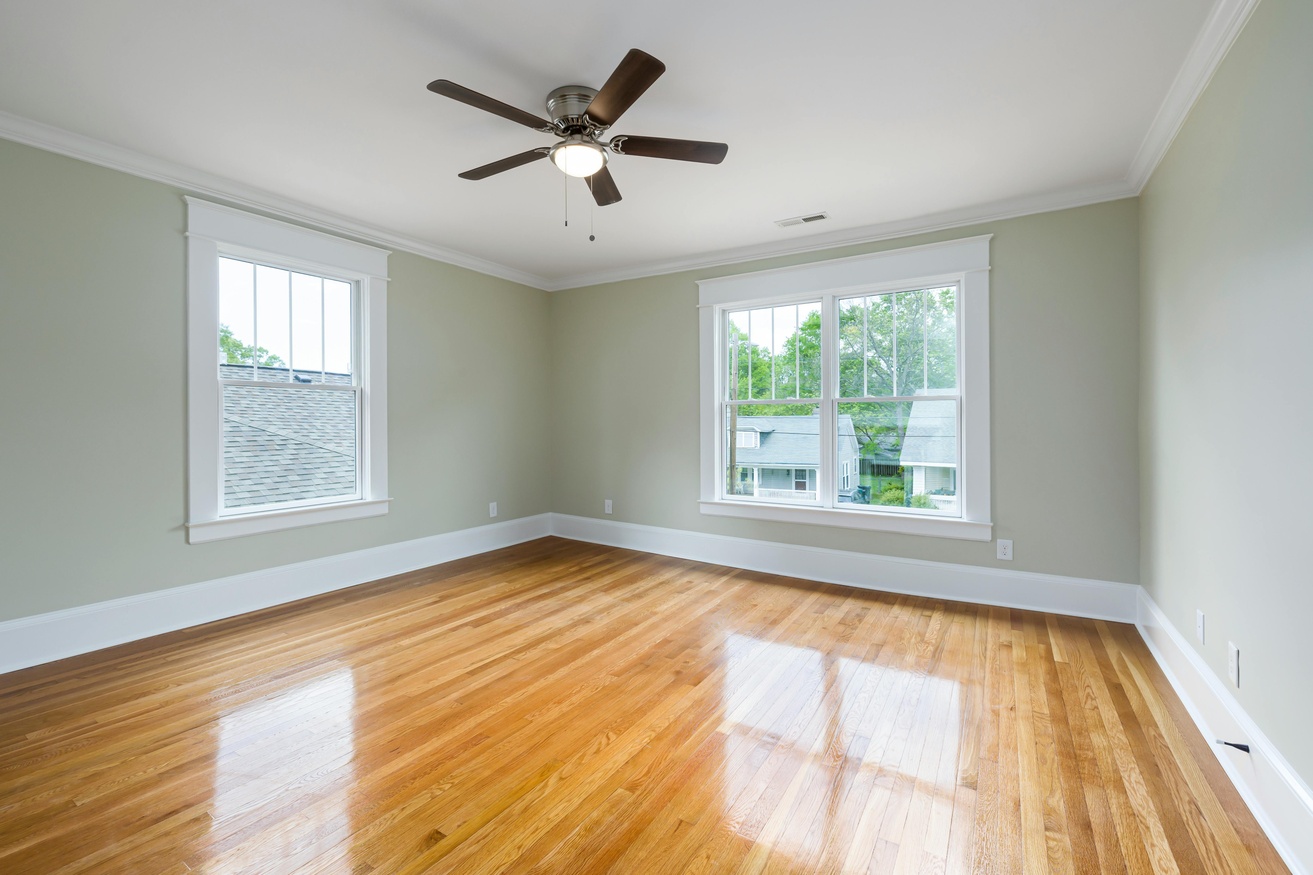
Gone are the days when homeowners felt obligated to install identical flooring throughout their entire residence. Today's most stunning interiors embrace the art of mixing flooring materials – a design approach that defines spaces, adds visual interest, and allows each room to fulfill its unique purpose while maintaining cohesive aesthetic flow. Mastering this technique transforms ordinary homes into extraordinary living experiences.
Understanding Transition Zones
The secret to successfully mixing flooring materials lies in thoughtful transition planning. Where hardwood meets carpet, or laminate encounters tile, these junction points either enhance or detract from your overall design. Professional installation ensures seamless transitions that feel intentional rather than abrupt.
Consider natural boundaries when planning flooring changes. Doorways, architectural features, and furniture placement create logical transition points that the eye accepts naturally. Abrupt changes in the middle of open spaces can feel jarring, while transitions at thresholds feel purposeful and polished.
Creating Purpose Through Material Selection
Different flooring materials communicate different purposes, and leveraging this psychological association helps define spaces without physical barriers. In open floor plans especially, flooring changes can delineate living areas from dining spaces, or kitchen zones from family rooms.
Hardwood flooring excels in high-traffic common areas, entryways, and spaces where you want to convey elegance and permanence. Its natural beauty serves as a foundation that other materials can complement without competing.
Carpet transforms bedrooms into cozy retreats and creates comfortable zones in large living areas. Consider using carpet to define a reading nook within a hardwood-floored room, or to soften a home office space that requires extended standing or sitting.
Laminate offers incredible design flexibility with its ability to replicate various materials. Use laminate in mudrooms, children's play areas, or high-traffic zones where durability matters most, coordinating colors and patterns with adjacent flooring materials.
Color Coordination Strategies
Successful flooring combinations share common color elements that create visual harmony. Warm-toned hardwood flows naturally into beige or cream carpets, while cool gray laminate pairs beautifully with blue-gray carpet selections.
Consider undertones carefully. Two seemingly similar colors with conflicting undertones – one warm, one cool – create visual tension that makes spaces feel disjointed. Bringing samples home and viewing them together in your actual lighting conditions prevents costly mistakes.
The Role of Texture
Texture adds another dimension to mixed flooring designs. Smooth hardwood against plush carpet creates sensory contrast that feels luxurious. Hand-scraped hardwood offers textural interest that complements low-pile, modern carpets.
At Hardwood Flooring Specialist, our design consultants help you navigate these decisions with expertise and creativity. Visit our Colorado Springs, Pueblo, or Castle Rock showrooms to see material combinations in person and discover possibilities you never imagined.



